
Dilapidations strategy - timing is critical!
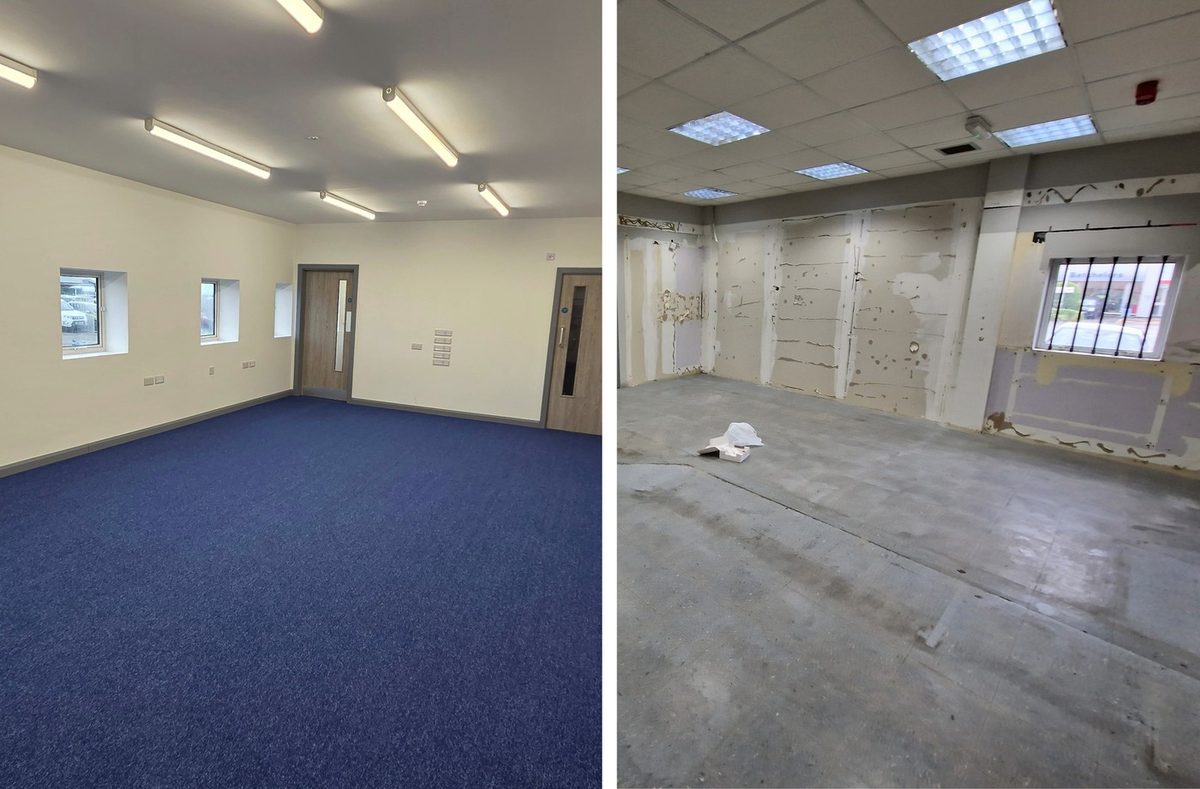
An interim schedule of dilapidations - prepared in accordance with lease covenants and supported by robust photographic and descriptive evidence - can materially strengthen a landlord’s position.
Key benefits include:
- Early identification of breaches of repairing, decorating and reinstatement obligations
- Enhanced leverage to secure compliance during the contractual term
- Reduced reliance on terminal schedules and the associated risk of dispute
Importantly, interim action mitigates the need to condense remedial works into the post-expiry period, where programme constraints, cost escalation and evidential challenges are typically most acute.
From a building surveying perspective, interim inspections enable a more granular and real-time assessment of disrepair and liability progression throughout the lease term. Rather than relying solely on a terminal schedule, surveyors are able to:
- Monitor deterioration against the standard of repair required by the lease
- Differentiate fair wear and tear from actionable breaches of covenant
- Provide ongoing, evidence-based advice in respect of compliance and risk exposure
This approach establishes a robust evidential audit trail, which is particularly valuable in the context of dispute resolution and in support of any subsequent Section 18(1) valuation.
Case Study
We recently served an Interim Schedule of Dilapidations on a tenant who subsequently agreed to undertake remedial and redecoration works as per the schedule, acknowledging existing breaches of covenant. By addressing these items proactively, the tenant was able to mitigate potential dilapidations liability at lease expiry.
While alignment between landlord and tenant is not always straightforward, a proactive and transparent approach to interim dilapidations typically results in more efficient outcomes and reduced contention.