
Older industrial estates: why they need a plan
Industrial property has had a remarkable run. At the 2026 business rates revaluation, industrial rateable values in England and Wales rose sharply. Rateable values reflect rents, and that rise was well ahead of offices and shops. But the market is now splitting between modern and older stock. UK availability reached a 12-year high in 2025. Knight Frank reports that modern buildings with strong energy ratings are consistently outperforming secondary stock, and expects the gap in rents between the best buildings and older ones to widen if refurbishment costs keep rising.
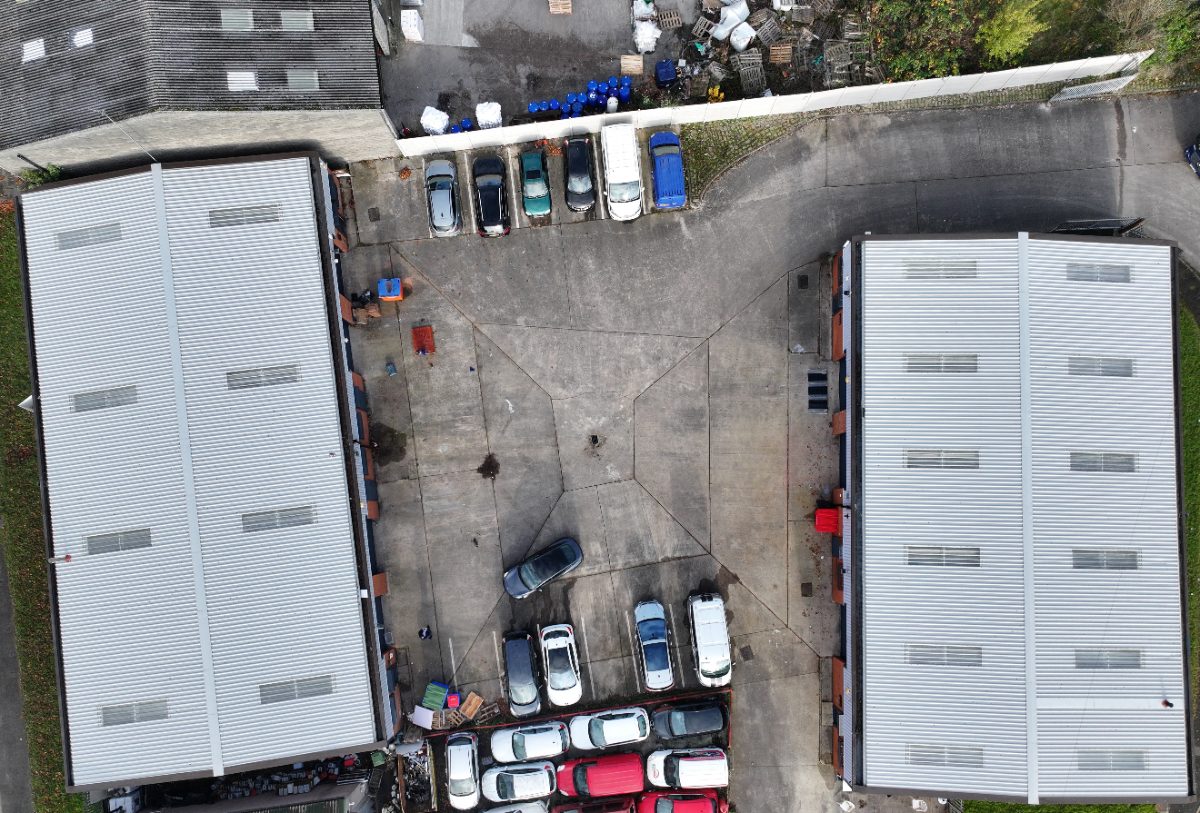
For most older estates, the pressing issue isn’t energy ratings. Units under 1,000 sq m stay at the current EPC E minimum, with no date set to go further. The bigger issue is often the roof. Asbestos was banned in the UK in 1999, so any asbestos cement roof is now more than 25 years old. HSE treats fibre-cement roof sheets as likely to be fragile, and such roofs generally need replacing or over-cladding before solar panels can be fitted.
Power is the next constraint. Occupiers need more electrical capacity than older estates were built for, and a November 2026 industry report found that more than eight in ten logistics businesses lack the grid capacity they need.
The answer is a plan, not a panic. A condition survey, a strategy for the roofs and a refurbishment programme timed around lease events will keep an estate lettable and protect its value.
What this means in practice:
- Start with the roofs: survey them, then replace, over-clad or repair.
- Refurbish each unit as it falls vacant.
- Check electrical capacity before occupiers ask for more.
If you manage an older industrial estate and would like a view on roof condition, refurbishment priorities or electrical capacity, our Property Management Team would be happy to talk it through.