
The tenant has left. Who pays to put the building back?
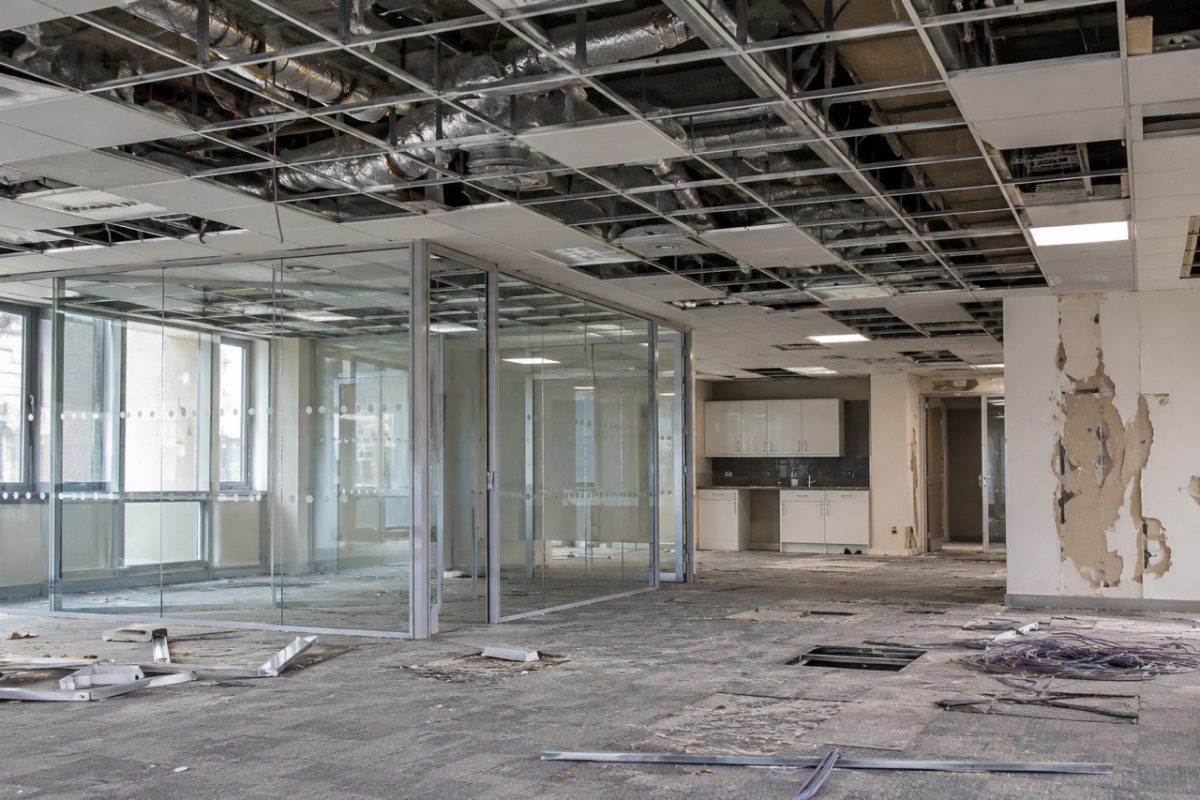
Tenant alterations can change a unit's layout, specification and services. They may suit the tenant, but they can leave a large reinstatement bill at lease end. Whether it falls on the tenant depends on the lease's repairing and yielding-up covenants and any licence for alterations.
What may need reinstating
- Internal works: partitions, mezzanines, raised floors and suspended ceilings.
- Mechanical and electrical installations: HVAC, pipework, ductwork, distribution boards, cabling and lighting.
- Specialist fit-out: kitchenettes, changing facilities and sanitaryware.
- Building fabric: altered openings, fire compartmentation, penetrations and finishes.
What to check in the lease
- The condition the premises must be returned in at expiry.
- Whether reinstatement is automatic or only on the landlord's notice, and any deadlines.
- How far making good and decoration must go.
- Whether the alterations were licensed, and on what conditions.
An alteration does not automatically carry a duty to remove it. Check the documents before including reinstatement in a terminal schedule of dilapidations.
The existence of a tenant alteration does not automatically establish an obligation to remove it.
The cost
Costs include isolating and removing services, waste disposal, builders' work, making good openings and fire-stopping, and reinstating finishes. Whether they can be recovered depends on the lease, legal principles and the landlord's actual loss, which may be affected by plans to redevelop or refurbish.
Reviewing the lease, licences and alterations early is the best way to limit dilapidations exposure and avoid disputes.
Survo Chartered Surveyors advises landlords and tenants on repairing, reinstatement and yielding-up obligations throughout the lease lifecycle.