
From Minor Defect to Major Cost: The Case for Planned Maintenance
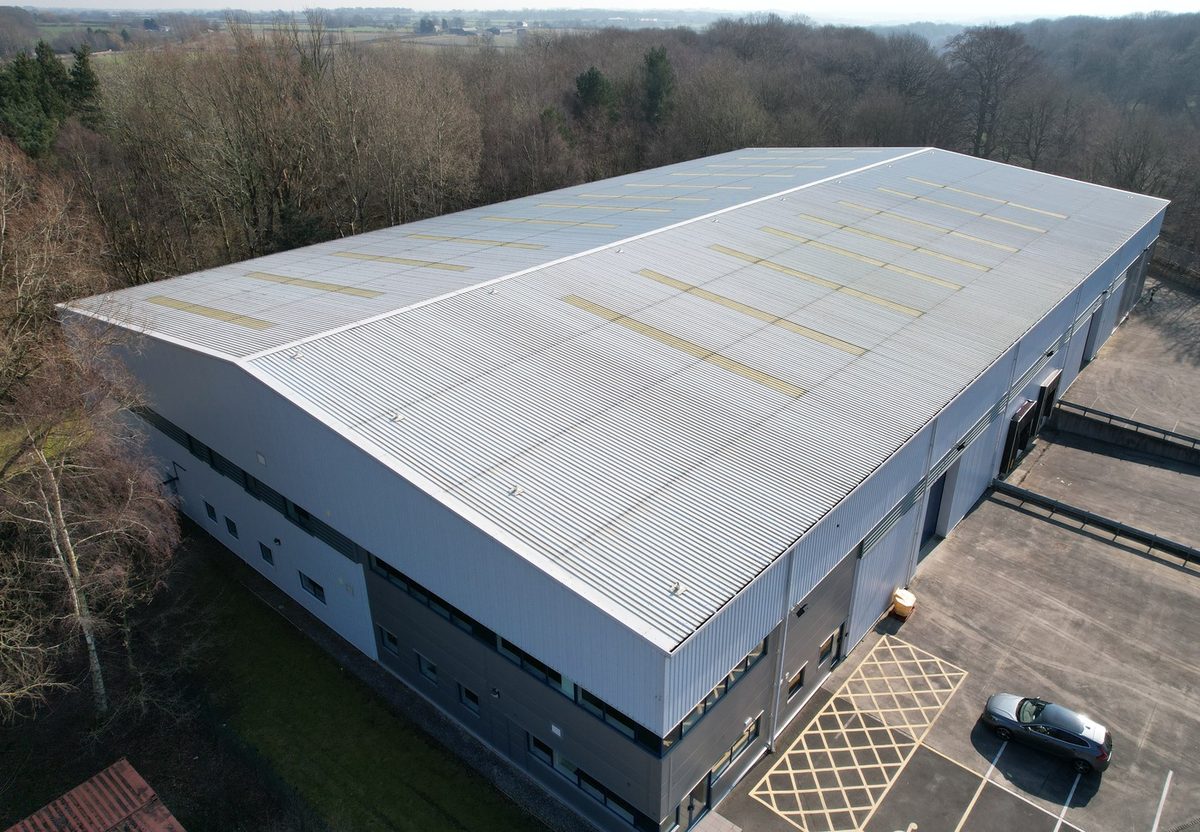
In commercial property, major defects rarely develop overnight. Significant repair costs often arise from minor issues which have gone unnoticed or have not been addressed at an early stage. A planned maintenance survey allows landlords and asset managers to understand the condition of their buildings, identify defects, prioritise works and plan expenditure before problems become more disruptive or costly.
A good example is cut edge corrosion to profiled metal roof sheets. This commonly occurs where the protective factory-applied coating has been cut at sheet edges, laps, eaves, gutters or penetrations, leaving the metal substrate exposed. Once moisture and airborne contaminants reach the exposed edge, corrosion can develop beneath the coating, causing blistering, delamination and progressive deterioration.
At an early stage, cut edge corrosion may appear relatively minor, but if left untreated it can lead to:
- Localised rusting, staining and coating breakdown
- Blistering or delamination of the protective coating
- Corrosion of sheet edges, end laps and side laps
- Deterioration of fixings, washers and vulnerable junctions
- Water ingress and internal staining
- Reduced roof performance
- Premature replacement of otherwise serviceable roof sheets
Where identified early, cut edge corrosion can often be treated without wholesale roof sheet replacement. Typical remedial works may include:
- Cleaning and preparing the affected areas
- Removing loose coating, rust and contamination
- Treating corrosion to the exposed metal substrate
- Applying suitable primers
- Sealing laps and vulnerable junctions
- Applying an appropriate protective coating system
We are now regularly undertaking drone surveys of roofs for landlords, providing clear visual records of roof coverings, gutters, flashings, rooflights, plant areas and other difficult-to-access elements. This approach can help identify early defects such as cut edge corrosion, coating failure, blocked gutters and defective flashings, allowing landlords to make informed maintenance decisions.
A minor defect today can become a major cost tomorrow, which is why regular inspection and early remedial action remain essential to effective commercial property management.